
A story about mastery
"She began to read"
At the start of one school year, a Hero would not so much as glance at a book. Reading had become a battleground of self-doubt and avoidance. Nobody rushed her or moved her on before she was ready. She worked at her own pace, with Guides who kept believing in her.
Her parents wrote to our community at the end of that year with a line we have never forgotten: she began to read. Then she began to choose reading on her own, and to see herself as capable. That is what we mean by mastery at their own pace.
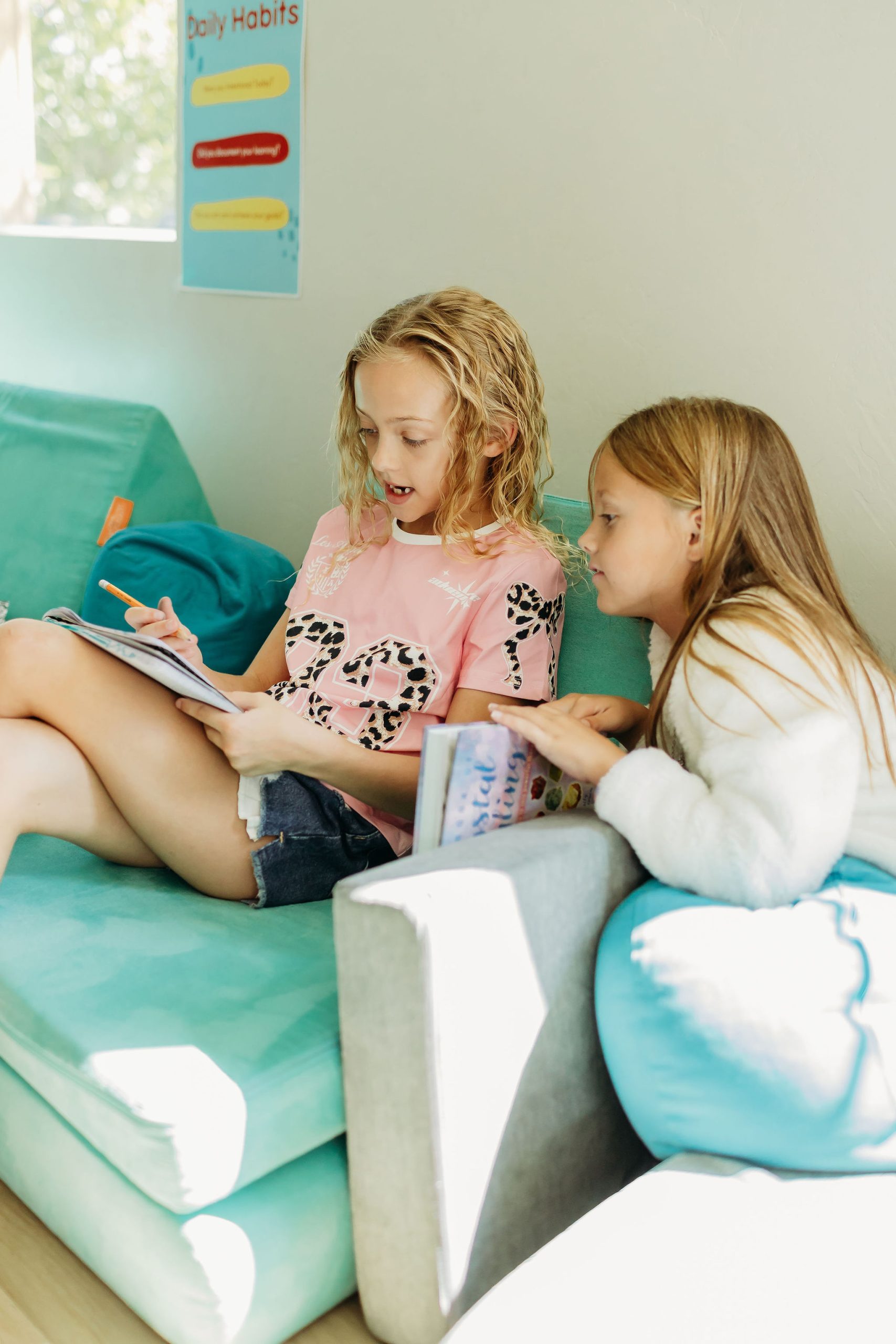
"Here, learning isn't measured by age or by test scores, but by mastery, by deep understanding, purpose, and joy."
Brittany M., Acton St. George parent
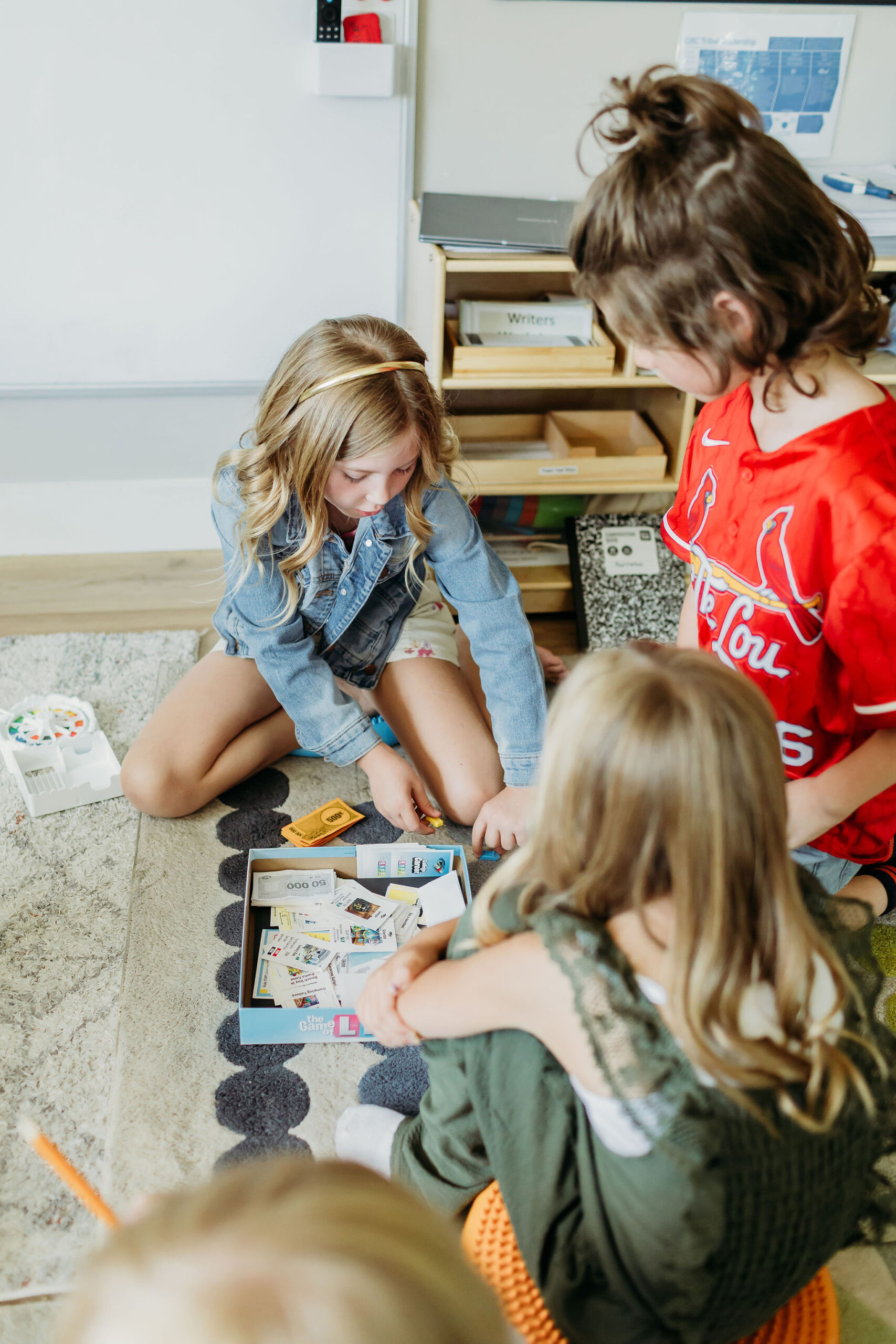
Mastery, not 80 percent
Mastery-based learning: Heroes keep working until they have it
Heroes do not move past a skill at 80 percent and hope the rest shows up later. They keep working until they have mastered it, and every Badge they earn shows you exactly what they have done, from tying shoes and reading a first story in Spark to finishing a math level or a writing piece in the older studios.
In Curiosity, Discovery and Adventure, Core Skills runs about two hours a day. Heroes use proven tools like Synthesis and Math Academy for math, science-of-reading-based programs for reading and NoRedInk for grammar, so they can move ahead when they are ready and slow down when they need to.
Guides, not lecturers
Inspire, equip and connect
Our Guides have a specific job. They inspire with great questions instead of lectures, through Socratic discussions every morning, after lunch and at the end of the day. They equip Heroes with the tools and practice to run more of their own learning, and they step back only once the Heroes are ready to carry it. And they connect Heroes to each other and to the wider community.
Studios are mixed-age, so younger Heroes learn from older ones, and older Heroes learn to lead. A Hero who has mastered something is often the best person to help a friend learn it.
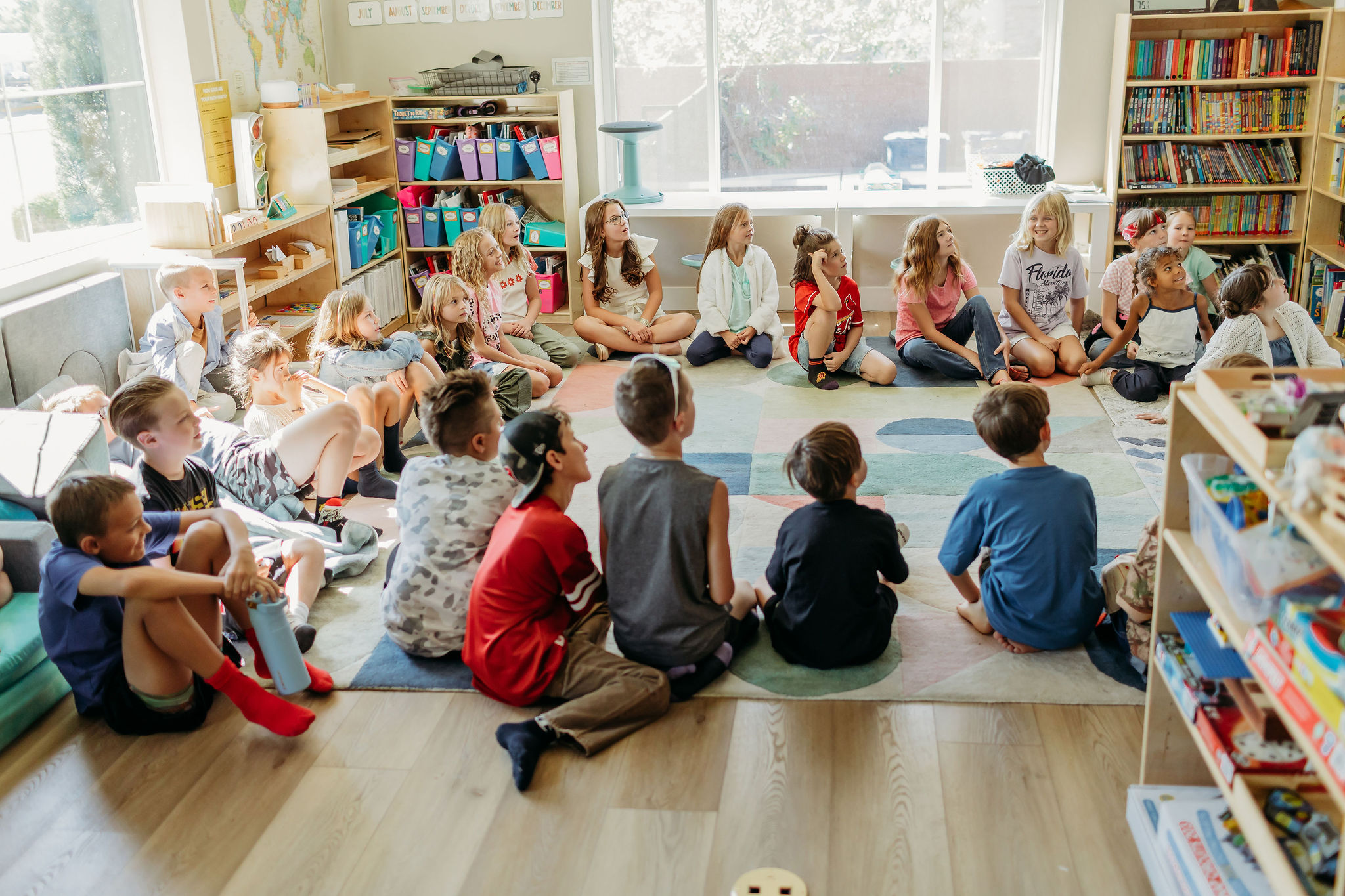
Learn to learn, learn to do, learn to be
Three things every Hero practices
Learn to learn
Reading, writing and math to mastery, at each Hero's own pace, with Badges that show exactly what has been mastered. The goal is a curious, independent, lifelong learner.
Learn to do
Quests, Exhibitions, the Children's Business Fair and, in Adventure and LaunchPad, real apprenticeships. Heroes practice doing real work for real people and showing it in public.
Learn to be
The Habits of a Hero: keeping promises, managing time, sticking with hard things and saying what you believe and why. Heroes practice them every day in how they run their studio.
Freedom with responsibility
Freedom lives between tyranny and anarchy
Parents sometimes worry that learner-driven means anything goes. It does not. Guides own the shape of the day, with time every day for Core Skills, Quests and Socratic discussion. Inside those blocks is where the freedom lives, because Heroes decide how to use the time and what to work on next.
The boundaries that matter most come from the Heroes themselves. In the first weeks of every school year, each studio writes its own Contract of Promises, its constitution, and Heroes hold each other to it through various systems in the studio. Weekly Town Hall, run by an elected council, is where learners propose changes to the studio throughout the year. Heroes earn more freedom by living the habits consistently, and they lose some when they do not.
The Habits of a Hero
What you will notice at home
What we care about most is who your child is becoming. We want Heroes who manage their own time, keep their promises, stick with hard things, and can tell you what they believe and why. Parents usually notice these habits at home first. A mom recently told me that people at church keep asking what she is doing differently with her son, because he seems so much more grown up. Her answer was that the only thing they had changed was his school.
Sometimes the growth is quieter. One of our Heroes struggled with perfectionism for most of a year and would pull her hood over her head when she missed a goal. On the last day of school she told her studio she realized it had been a long time since she had hidden in her hood. Missing a goal had become a chance to reflect, adjust and try again.
Rigor that rises with age
More is asked as Heroes grow
Mastery runs through every studio, and the challenge rises with age. In Spark it looks like choosing, finishing and putting away real work. Curiosity builds reading, writing and math foundations and the first daily goals. Discovery adds Quests, Badges and studio government. Adventure asks for a real writing process, weekly and session-long commitments and apprenticeships, and LaunchPad, opening fall 2027, asks the most of all.
No homework
Lifework instead of homework
Mastery-based learning runs through every studio, and the challenge rises with age. In Spark it looks like choosing, finishing and putting away real work. Curiosity builds reading, writing and math foundations and the first daily goals. Discovery adds Quests, Badges and studio government. Adventure asks for a real writing process, weekly and session-long commitments and apprenticeships, and LaunchPad, opening fall 2027, asks the most of all.
Questions parents ask about how learning works
What does learner-driven mean?
Heroes set their own goals, work at their own pace toward mastery and help govern their own studios, with Guides who inspire, equip and connect rather than lecture.
How will I know my child is learning?
Badges show exactly what each Hero has mastered, and every studio presents its work at an Exhibition of Learning at the end of each session. Most parents also see the habits show up at home.
Do Heroes take standardized tests?
We do not give standardized tests on campus. We measure progress through mastery, Badges and the work Heroes show at Exhibitions.
Can children just do whatever they want?
No. Guides set the shape of the day, and each studio writes and enforces its own Contract of Promises. Freedom grows as Heroes show they can handle it and shrinks when they show they can't.
How do you handle conflict between Heroes?
Mostly through Peace Talks. When two Heroes have a problem with each other, we ask them to work it out face to face before an adult fixes it for them. Every Hero learns a simple Peace Talk template: talk through what happened, listen to each other, agree on a solution, and usually end with a handshake. Younger Heroes, or anyone who is too upset to do it alone, can ask a Guide to help, and older Heroes sometimes help younger ones through theirs. Peace Talks matter enough that there is a Badge for them.
When a choice crosses one of our guardrails, like hurting someone, a Guide steps in right away, the studio's reset or strike system applies, and we let parents know that day. The goal is for every Hero to leave Acton able to handle conflict with courage and kindness, because they will need that skill for the rest of their lives.
Is Acton Academy St. George accredited?
Yes. We are accredited by IALDS and are pursuing Cognia accreditation. We are also part of the Acton Academy network, with more than 300 campuses in 30 countries.